
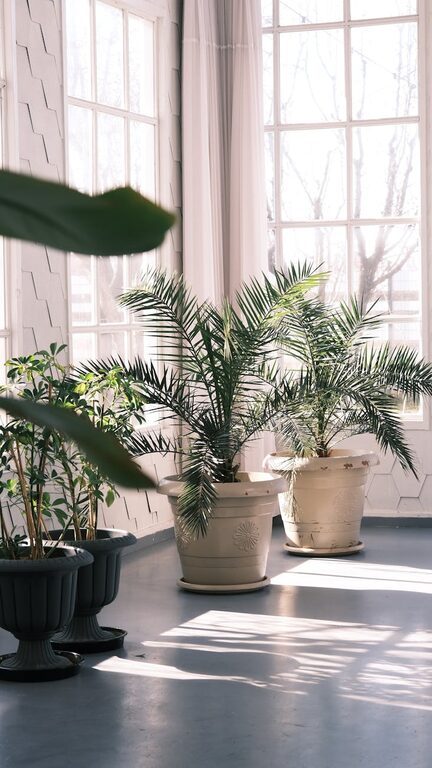
Bringing plants into your home is one of the easiest and most rewarding ways to refresh your living space. Not only do plants add natural beauty and color, but they also improve air quality and create a calming environment. Whether you’re a seasoned plant lover or new to indoor gardening, there are plenty of ways to incorporate greenery into any room.
In this article, we’ll explore practical tips for selecting, caring for, and styling plants to breathe new life into your home.
Why Add Plants to Your Home?
Plants have been shown to reduce stress, increase productivity, and enhance the overall vibe of a space. Here are some benefits of adding plants indoors:
– Improved air quality: Many houseplants filter toxins and increase oxygen.
– Mood booster: Greenery can make your space feel more relaxing and welcoming.
– Aesthetic appeal: Plants add color, texture, and a natural element to decor.
– Humidity control: Certain plants can help balance moisture in the air.
With these benefits in mind, let’s look at how you can easily refresh your home using plants.
Choosing the Right Plants for Your Space
Selecting the appropriate plants depends on factors such as lighting, maintenance level, and room size. Here are common categories to consider:
Low-Maintenance Plants
If you want fuss-free greenery, try these easy-care options:
– Snake Plant (Sansevieria)
– ZZ Plant (Zamioculcas zamiifolia)
– Pothos (Epipremnum aureum)
– Spider Plant (Chlorophytum comosum)
These plants tolerate a range of light conditions and infrequent watering, making them ideal for beginners or busy households.
Plants for Bright Spaces
Rooms with plenty of natural light can support a wider variety of plants, including:
– Fiddle Leaf Fig (Ficus lyrata)
– Rubber Plant (Ficus elastica)
– Succulents and Cacti
Be sure to check each plant’s light requirements before bringing it home.
Plants for Low-Light Areas
Limited sunlight? Don’t worry—there are plants that thrive without much light:
– Peace Lily (Spathiphyllum)
– Chinese Evergreen (Aglaonema)
– Cast Iron Plant (Aspidistra elatior)
These can add greenery to rooms like bathrooms or hallways with less window exposure.
Placement Tips: Where to Put Your Plants
Plant placement is key for both their health and your home’s style. Consider these ideas:
– Entryway or hallway: A tall plant near the door can create an inviting first impression.
– Living room: Cluster several plants of various sizes on shelves, side tables, or window sills.
– Kitchen: Hardy herbs like basil, mint, or rosemary can freshen the air and supply cooking ingredients.
– Bathroom: Humidity-loving plants such as ferns or spider plants do well here.
– Bedroom: Small plants on nightstands or shelves can promote restful vibes.
Be sure to rotate your plants occasionally so all sides receive sufficient light.
Creative Ways to Display Plants
Instead of just putting plants in basic pots, try some of these styling ideas:
– Hanging planters: Save surface space and add visual interest at eye level.
– Macramé hangers: These crafts offer a boho-chic touch.
– Terrariums: Glass containers filled with moss and succulents make charming displays.
– Plant stands: Elevate your plants to different heights and create layered greenery.
– Wall-mounted planters: Use vertical space for a living wall effect.
Mix and match pots in different colors, materials, and sizes to fit your home’s style.
Caring for Your Indoor Plants
Proper care ensures your plants stay healthy and vibrant. Keep these basics in mind:
– Watering: Check each plant’s needs; some prefer moist soil while others like to dry out.
– Lighting: Match plants to appropriate light conditions.
– Humidity: Mist plants if air is dry, or use a humidifier for tropical varieties.
– Fertilizing: Feed plants with fertilizer during growing seasons (spring and summer).
– Pruning: Remove dead leaves and trim overgrowth to encourage new growth.
Setting reminders and creating a simple care schedule can help you stay consistent.
Additional Tips for a Plant-Friendly Home
– Place plants where they won’t get bumped or knocked over.
– Keep pets in mind; some plants can be toxic to animals.
– Rotate plants occasionally to even out growth.
– Clean leaves gently to remove dust and improve photosynthesis.
– Consider decorative stones or mulch as a finishing touch in pots.
Final Thoughts
Refreshing your home with plants is a fun, creative, and rewarding project. Even a few well-chosen plants can transform the feel of a room, boost your mood, and bring nature indoors. Take time to experiment with different plants and displays, and enjoy the process of growing your indoor garden.
With these tips, you’re well on your way to creating a vibrant, healthy, and beautiful green space you’ll love coming home to. Happy planting!